So… I work for the internet
A plainspoken look at what UX work actually is: listen, respond, measure, and make complex products easier to use.
TL;DR
UX sounds complicated because we’ve gotten very good at describing a simple job with big words. The job itself is pretty straightforward: listen to people, fix what confuses them, and see if it actually worked.
So… I work for the internet
My parents are incredibly proud of me and my sisters. They love telling people how successful we are.
But when someone asks, “And what does Katie do?” There’s always a pause.
Recently I heard a story about my dad on a work call saying something like:
“My oldest is in research. The middle works at a nonprofit. And Katie…”
(Long pause and a bit flustered.)
“…works for the Internet.”
Honestly? Not totally wrong.
When I tease him, he fires back: “Okay. What do you actually do?”
Then there’s my husband, the actual engineer. He builds assistive technology hardware. He thinks in systems and signals. In every common use of the word, he has built an AI algorithm to support his product (even if he refuses to use the term AI, considering it a cheap marketing trick).
So his version of the question to me is sharper:
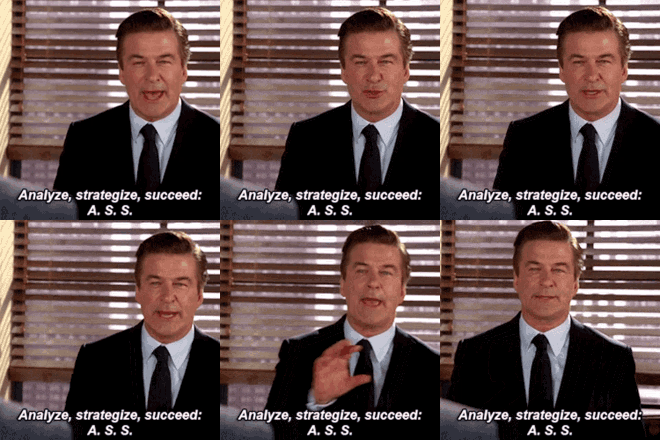
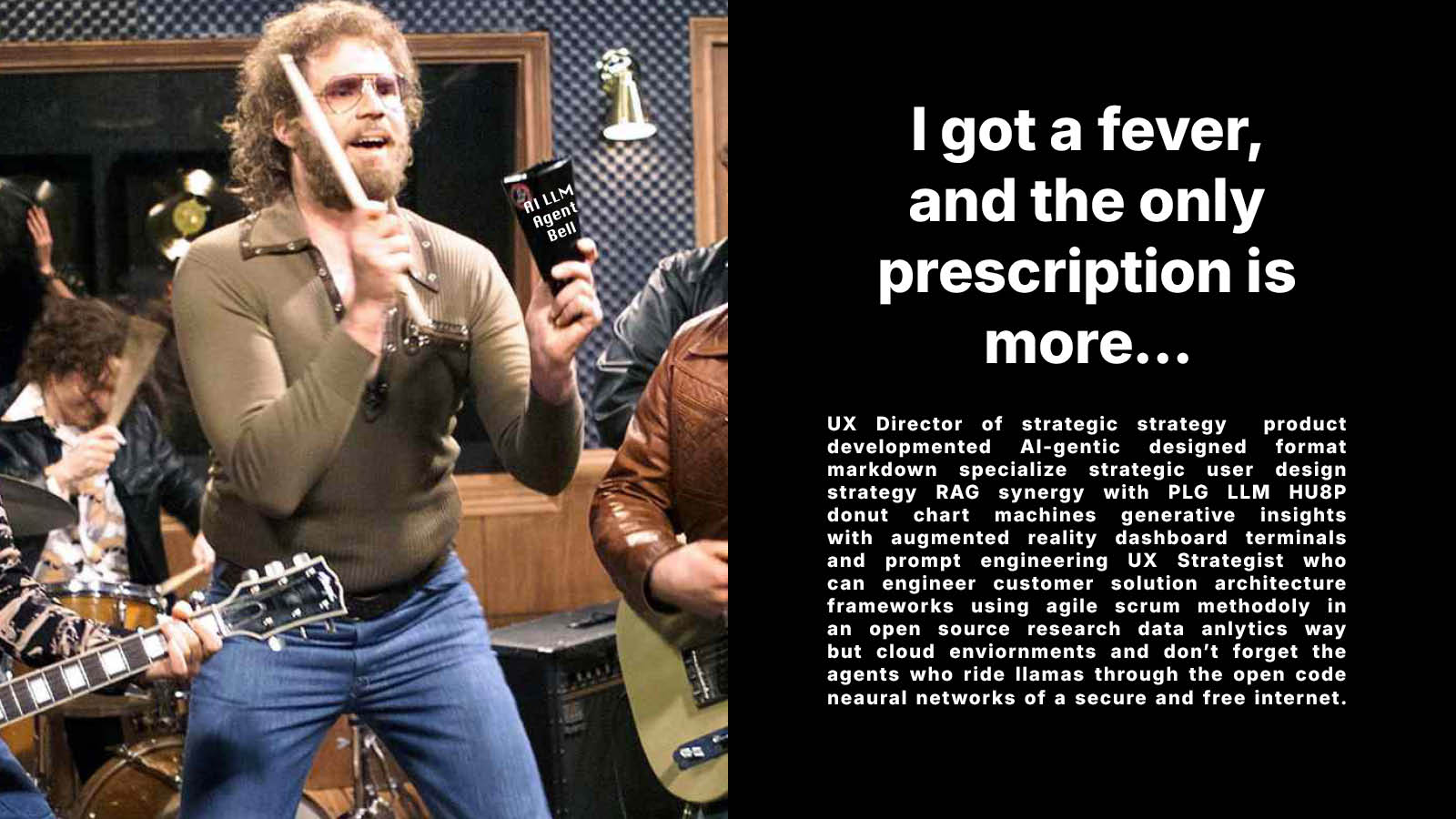
“So why does a company need an AI UX Intelligence strategy director manager content designer buzzword-title website person?”
Fair question.
So here it is. No jargon. No LinkedIn buzzword optimization. The true nature of my job.
I make products easier to use.
That’s it.
Listen to what people are trying to do. Respond by improving the product. Measure if it actually helped. Then repeat.
Listen. Respond. Measure.
There are tons of other things I can do, but at the core I’m always trying to make a product better - so a company can sell more of it, we can all sell our shares high, and most importantly people actually get value from what you’re offering.
You hire someone like me, or my team, to make your product easier to use for the people you’re selling to.
Metaphor time: imagine an airplane
Imagine buying an SR-71 Blackbird. A cool-as-hell stealth plane with incredible speed. You’ve just been sold a high-power, cutting-edge product.
Once you get into that sweet ride (assuming you have the appropriate license, of course), there are no buttons labeled. No levers explained. No red, orange, or green blinking indicators. No instructions. Just switches and levers.
You flip one. There’s a loud grrr sound. You pull another. Something else lights up.
Maybe you eventually get the plane moving. Maybe you break something. Maybe you give up and walk away.
The excitement can turn to confusion and frustration very fast.
The engineers built a powerful machine. But someone still has to figure out:
- Which controls matter
- What they should be called
- When people need guidance
- What signals show confusion
- How to make the system usable without a manual
That’s the layer I work on. The goal isn’t decoration. It’s helping people successfully operate powerful systems.
Why do we make this sound so complicated?
If the job is that simple, why does UX sometimes sound like a bowl of alphabet soup? I have a few spicy theories.
1. We were hired last
In many organizations, UX is hired late. The product exists. Engineering is already shipping.
So we spend a lot of time defending our value to leaders and partners. And when you’re defending yourself, it’s tempting to sound impressive.
Add acronyms. Add frameworks. Add strategy words.
The more complex the language, the more authority we think it signals. Except sometimes the opposite happens.
People nod politely and still have no idea what we do.
2. We start speaking our own language
If everyone in the industry is using the same buzzwords, it’s easy to follow. Communities create their own dialects. Inside companies we do the same thing. We develop internal language:
- Product language
- Company language
- Team language
After a while, it becomes second nature.
The problem is we rarely stop and translate it back into normal human conversation. Friends don’t understand it. Family doesn’t understand it. People outside our bubble definitely don’t understand it. And sometimes even hiring managers just want to know what value they’re getting.
When UX language becomes too insular, it starts to feel closed off: harder for newcomers, harder for collaborators, and harder for anyone trying to understand what we actually do.
Simplifying what we do just isn’t a priority. Until someone asks at dinner.
3. We’re afraid simple sounds small
There’s a fear that if we describe our work too simply, it will sound less valuable.
I think the opposite is true.
If something is simple enough for everyone to understand, it becomes more valuable, not less.
If everyone thinks they can do it, great. Let them try. Some will succeed. Many will realize it’s harder than it looks.
One approach requires constantly fighting for a seat at the table. The other requires patience, clarity, and showing up when the problem appears.
Either way, the conversation becomes clearer, but I prefer the second.
4. Everyone is freaking out about AI
Let’s be honest. A lot of the jargon explosion right now is fear.
AI landed, and suddenly everyone is sprinting to prove they’re not obsolete. New acronyms. New tools. New “thought leadership.”
We’re all trying to learn the language as fast as possible so we don’t feel left behind.
In developer-heavy companies especially, that anxiety gets amplified. The imposter syndrome gets loud. So UX folks start trying to sound like engineers.
I am 100% guilty of this as well. Talking about models, pipelines, frameworks, agents, and vector databases.
And look: those things matter. But we’re not engineers.
And trying to imitate engineers doesn’t make us more valuable. It just makes us worse at the thing we’re actually good at.
UX’s superpower has never been speaking machine. It’s speaking human.
I’m supposed to be learning French to communicate with my French-only in-laws, but instead I’m memorizing AI buzzwords just to survive a meeting. And that’s probably not the best use of our energy.
Two things I’ve heard recently that stuck with me
I’m not claiming to know where this all goes. No big predictions here.
But two conversations recently stuck with me.
First
An engineering manager told me something refreshingly blunt:
“AI is making our engineers faster and more productive. We don’t need mediocre UI engineers. We need really good design.”
AI is speeding up engineering. That doesn’t make design less important. It makes clarity and quality more important.
Sure, take advantage of AI to build prototypes, dig into research, and speed up parts of the UX process, but you don’t need to become an engineer (unless that is your calling then by all means, bless your heart).
Second
Every single person I talk to feels behind. Designers. Product managers. Engineers. Technical program managers.
Everyone thinks the train is leaving the station without them. Meanwhile half the industry is quietly admitting they’re still figuring it out too.
So here’s my hotter take: Some of the “AI momentum” we’re seeing right now isn’t pure technological transformation. It’s really good marketing.
That doesn’t mean the technology isn’t powerful. It is. But the narrative around it is moving even faster than the reality.
The real work
So instead of chasing every new acronym, I keep coming back to the same thing.
Listen. Respond. Measure.
Make products easier to use. Make complex systems understandable. Help humans succeed. That job hasn’t changed. Even if the tools have.
So no, Dad, I don’t technically work for the Internet. I just try to make it a little easier to use.
More Stories
Let's Just Do It
No one cares how you execute anymore — they care about results. While I find my company job, I'm looking to help you get it done.
Why didn't I say that during the interview!?
Interviewing is keeping me up at night. Here are a few of the answers that showed up after the call ended.
Staying Calm in the AI Storm
AI is not the real threat to UX. The bigger risk is mistaking speed for intent and letting product experiences slide into an efficient, average sameness that fits no one.
Manage like a med school dean, not a Japanese game show host
High hiring standards only matter if leadership builds the system people need to succeed once they are in.
Want to talk through how this kind of thinking could apply to your product?